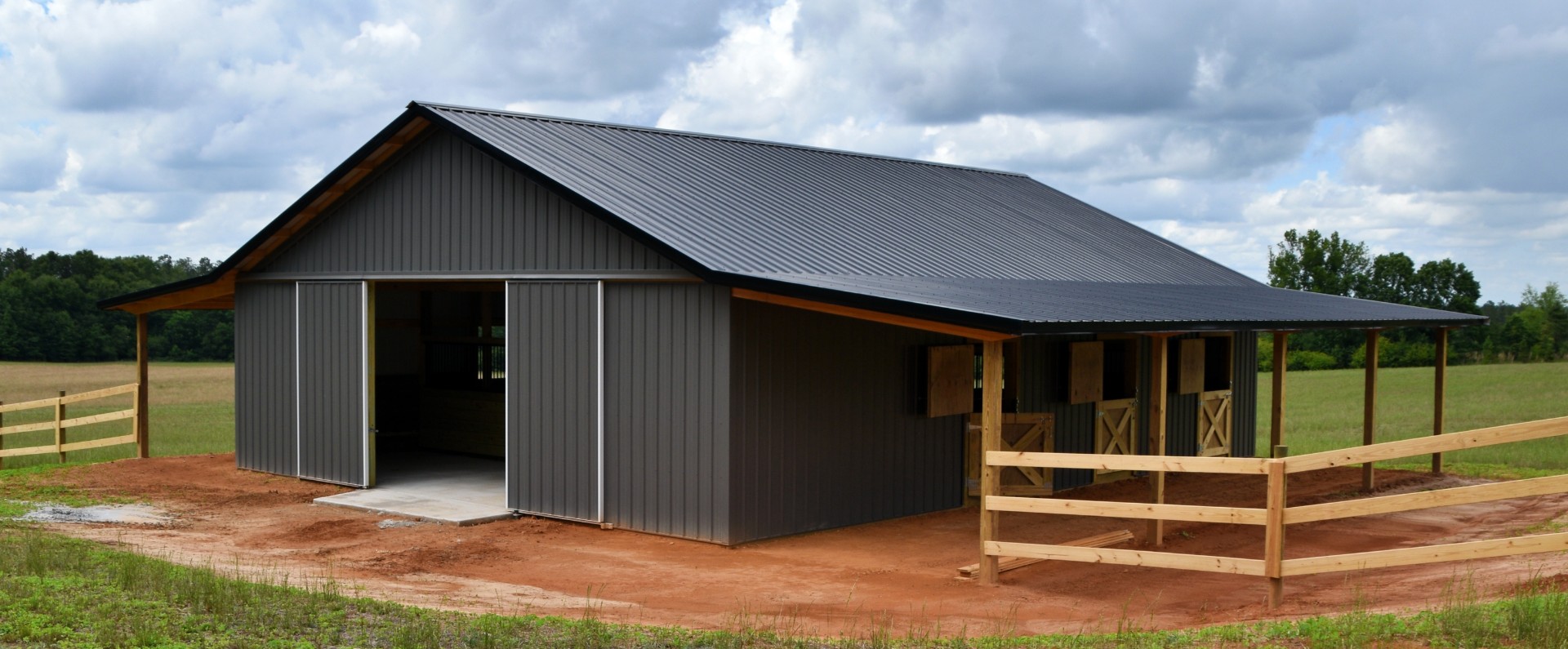
Barn Insulation in Vestavia Hills
If your barn always feels too cold in winter and too hot in summer, you are not alone. Many barn owners in and around Vestavia Hills struggle with drafty walls, sweating metal roofs, and high energy bills. With the right insulation, your barn can feel more comfortable and better protect what you keep inside.
At iFOAM Insulation of Montgomery Metro, we help turn hardworking barns into spaces that are easier to heat, cool, and use all year. Our insulation contractors work with spray foam, and we tailor every project to how you actually use your building. Whether your barn shelters animals, stores equipment, or doubles as a workshop, we work to find a solution that fits.
We follow strict safety protocols and use modern equipment, and our installers are trained in the iFOAM way. From your first visit through final inspection, our goal is to make insulating your barn clear, organized, and as stress-free as possible.
Ready to make your barn usable all year round? Reach out online or call (334) 276-8541 for a free insulation consultation.
Why Insulating Your Barn Matters
Barns around Vestavia Hills see significant seasonal shifts in temperature and humidity. Winter cold fronts that move through central Alabama can expose animals and equipment to chilly air, then long, humid summers can turn a metal roof into a heat-trapping surface. Without insulation, those conditions are hard on livestock, tools, and anyone who works in the building.
Proper barn insulation helps soften those extremes. It can reduce drafts through gaps in siding, slow heat gain through the roof during peak summer sun, and lessen the radiant heat that builds up inside on the hottest and most humid days. For a barn that doubles as a shop or hobby space, that often means more hours where you actually want to be inside getting work done.
Insulation can also help protect what your barn is built from. Many metal barns in this area struggle with condensation during humid mornings and rapid temperature changes. Moisture can form on the underside of the roof panels and drip onto hay, animals, or equipment. Over time, repeated dampness can contribute to rust, mold growth, or wood rot in certain structures. A well-planned insulation and air sealing approach can help limit these problems by keeping surfaces more temperature-stable and controlling air movement in Alabama’s humid climate.
For barns that use heaters, fans, or portable cooling units, insulation often reduces how long that equipment needs to run to keep things usable. We do not promise a specific percentage of savings, because that depends on the building and how it is used, but many owners notice that their equipment does not need to work as hard. That can translate into more predictable utility bills and less wear on heaters or cooling units.
Barn Insulation Options We Offer
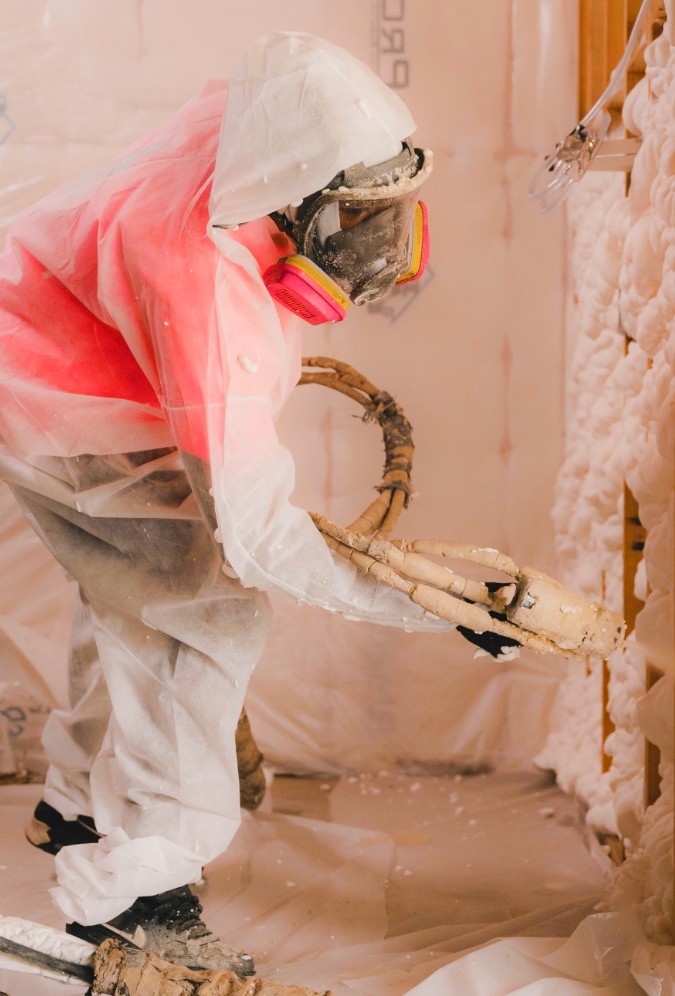
Every barn is different, so we take time to match insulation materials to your structure and goals. Our team installs spray foam, which is a popular choice for many metal and wood barns. It adheres directly to surfaces, fills gaps, and creates an air barrier in a single step. In roof assemblies and wall cavities, it can help handle tricky areas where batts would leave gaps or sag. For barns that struggle with condensation in humid conditions, spray foam can be part of a strategy to reduce moist air movement against cooler metal surfaces.
Here is how different barn uses often align with insulation approaches:
- Livestock areas, where spray foam and targeted air sealing can help keep animals more comfortable and reduce drafts.
- Equipment and storage barns, where a mix of spray foam and fiberglass may balance protection and cost.
- Workshops or hobby barns, where higher insulation levels and careful air sealing support frequent human use.
Our Comprehensive Process
We know that your barn is part of how you work and live, so our process is built around clear communication and careful planning. From the first visit, we focus on understanding both the building and the way you use it. That helps us design an insulation plan that makes sense, not just on paper, but in daily life.
Our barn insulation process typically includes:
- Initial conversation and free on-site assessment of your barn.
- Written proposal that outlines the recommended approach and areas to insulate.
- Project scheduling and preparation, including any needed insulation removal.
- Professional installation by our trained insulation contractors.
- Final walkthrough and inspection, with time to answer your questions.
Protect your livestock and equipment from extreme temperatures. Reach out online or dial (334) 276-8541 for a free consultation today.
-
STEPSchedule a Free AssessmentDuring your free in-home assessment, we’ll evaluate insulation levels and provide honest recommendations for improvement. We’ll leave you with a free estimate to know just what to expect, and we’ll answer all your questions.
-
STEPLet Our Team InstallThanks to our simple and easy installation process, your new insulation system will be installed before you know it! They’ll make sure to get the work done efficiently, accurately, and with minimal disruption to your daily routine.
-
STEPEnsure QualityWith the help of advanced testing techniques and proprietary technology, our team can accurately measure and diagnose insulation performance in any home, ensuring your new installation is working at its best and you’re free of other issues.
-
STEPCleanupBefore we leave, we’ll make sure to clean up any mess created during the installation process. We take pride in leaving our customers’ homes as clean as we found them.
-
STEPFinal InspectionTo finish off our service, we’ll conduct a final inspection to ensure your satisfaction with the installation process and the results. We want to make sure you’re getting the most out of your investment and feeling comfortable in your newly insulated space.

-
How Do I Know If My Home Needs New Insulation?
Here are several signs that your home may need new insulation:
- Frozen Pipes
- Uneaven Temperatures Throughout Your Home
- Cold Floors
- High Energy Bills
- Drafts Around Windows and Doors
- Ice dams
Finally, consider the age of your insulation:
- Batt/Fiberglass. Fiberglass insulation should last roughly 7-10 years.
- Cellulose. Blown-in cellulose should last roughly 10-15 years.
- Spray Foam. Spray foam should last 80-100 years, or the age of the house (as long as it was installed properly).
Our experts can provide an accurate assessment of the state of your home’s insulation. We'll consider your energy efficiency with state-of-the-art technology and years of industry know-how.
Give us a call to book your free consultation!
-
Why Use Spray Foam?
Spray foam has been rated to have the highest efficiency and R-value when compared to other insulation (like batt fiberglass).
Furthermore, spray foam's intuitive design allows it to create an airtight seal even in tricky and problematic spaces. It has been proven to keep out air pollutants and help soundproof buildings.
Visit our blog to learn about spray foam's benefits and why its a great choice for your home.
-
How Much Will My Installation Cost?
Prices vary from project to project. For an accurate assessment tailor-made to your home's needs, give our team a call today! You can also discover additional insights on why spray foam is worth the cost by visiting our blog.



Explore Our  Family Of Brands