

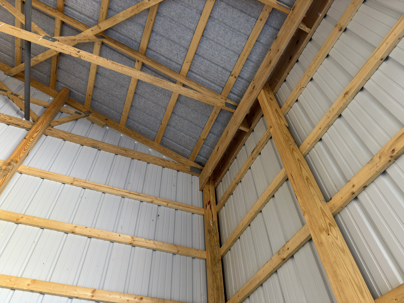
A Missouri pole barn has to handle much more than hot summers and cold winters. Extreme seasonal swings, high humidity, and rapid temperature shifts create ideal conditions for water droplets to form on metal roofing and siding, especially when warm, moist interior air comes into contact with a cold metal surface. Proper insulation fixes both sides of this problem: it keeps your building comfortable and energy-efficient year-round while stopping the surface temperature drops that cause moisture to collect in the first place.
Whether you use your building as an active workshop, a vehicle garage, an agricultural storage space, a livestock shelter, or a finished living area, choosing the right insulation system is essential. To protect your equipment and framing for the long haul, you can explore professional options like iFoam’s barn insulation services to build a complete moisture-control strategy tailored to midwestern weather.
Understanding Condensation in Missouri Pole Barns
To keep your building dry, you need to understand how moisture acts against bare metal sheets. Sheet metal transfers heat quickly and reacts almost instantly to outdoor weather changes.
The Root Cause of Metal Barn "Sweating"
Interior sweating happens when warm, humid indoor air touches a surface cold enough to turn that air into liquid. When this temperature threshold is crossed, water vapor turns into liquid droplets that drip from roof panels, rafters, and wall supports. Think of a cold drink glass sweating on a hot summer day. The water comes entirely from the surrounding air, not a leak.
In Missouri, this process is especially severe during cold winter mornings and spring weather swings. Left unchecked, continuous dripping rots wooden posts, rusts steel fasteners, ruins stored equipment, and causes mold growth.
How Missouri’s Climate Escalates Moisture Risks
Missouri experiences high humidity and drastic temperature drops. High summer humidity drives moisture deep into building cavities, while freezing winter cold turns uninsulated steel panels into ice-cold plates overnight.
Strong thermal insulation is vital for any building in Missouri. Controlling heat flow, stopping air movement, and keeping metal panels warm are all essential to prevent moisture from dripping inside.
Choosing the Best Insulation Material
Every structure serves a distinct purpose, meaning the best material depends on what you store inside, the animals you house, and your overall functional goals. Matching your building's unique demands with the right system ensures lasting thermal protection and structural durability.
Closed-Cell Spray Foam Insulation
Closed-cell polyurethane spray foam for metal buildings is a top-tier choice for total air sealing and condensation prevention. Applied directly to the interior face of steel panels, it expands to seal out air gaps while adding physical strength to the walls. It serves as its own vapor barrier, making it ideal for conditioned spaces and high-moisture setups.
Open-Cell Spray Foam Insulation
Open-cell foam provides an economical way to fill deep wall cavities and absorb sound. Because its lighter structure lets vapor pass through, using it against exterior metal in Missouri requires a secondary vapor retarder to keep moisture away from cold steel panels.
Fiberglass Batt Insulation
Fiberglass batts remain a classic, cost-conscious solution for straightforward agricultural storage builds. They install cleanly between wall posts and trusses to deliver solid thermal resistance. When paired with a properly sealed interior vapor barrier, batts effectively stabilize indoor temperatures without overwhelming your project budget.
Blown-In Cellulose Insulation
Blown-in cellulose is an eco-friendly option made from treated recycled paper products. Dense-packed into wall cavities or blown across flat ceiling assemblies, it fills tiny gaps around structural framing to minimize thermal breaks. Its dense fibers also offer excellent sound dampening and natural fire-retardant qualities.
Blown-In Blanket Systems (BIBS)
Blown-in blanket systems combine a seamless fabric membrane with loose-fill insulation to create a custom-fit thermal layer. This approach completely fills uneven framing gaps, wires, and pipes without the compression risks of traditional batts. It is a versatile choice for larger farm buildings requiring uniform coverage and improved energy performance.
Schedule Your Professional Barn Inspection
Don't Ignore the Roof
Because roof panels represent the largest metal surface area exposed to outdoor sky temperatures, they are the single biggest moisture point in any pole barn. Cold roof panels collect rising indoor humidity rapidly, causing water to rain down on your floor and equipment below.
A complete roof insulation plan should:
Slow down heat movement between indoor and outdoor air.
Stop warm, damp indoor air from reaching cold roof metal.
Seal air leaks around roof peaks, eaves, and panel screws.
Provide continuous moisture protection that works alongside your building's vents.
Building guidelines for unvented roof setups usually call for air-impermeable insulation (like closed-cell spray foam) applied directly against the metal roof to stop sweating.
Key Strategies to Stop Pole Barn Condensation
To permanently stop pole barn condensation, combine the right insulation with a full moisture-control plan:
Air Seal the Building Structure: Damp air carries moisture into cold gaps. Seal panel overlaps, door tracks, window frames, pipe penetrations, and roof edges to create a continuous air barrier.
Control Vapor Movement: Use continuous vapor layers to slow down moisture movement. Make sure your wall design allows moisture to escape rather than trapping it inside the walls.
Manage Indoor Humidity: Parking wet machinery, storing snow-covered vehicles, or keeping livestock indoors creates huge amounts of moisture. Control humidity levels using exhaust fans, roof vents, commercial dehumidifiers, or ceiling fans.
Prevent Outside Water Leaks: Check roof flashing, siding, and foundation edges for rain leaks before insulating. Putting insulation over an active leak hides wooden rot and leads to severe structural damage.
Hiring Qualified Local Professionals
While DIY insulation is tempting, metal pole barns have tricky details, like metal expansion seams, complex roof shapes, and building fire safety rules, that are easy to miss.
When searching for pole barn insulation contractors near me, look for experienced specialists. For instance, property owners seeking barn insulation O'Fallon MO expertise should hire contractors who understand local weather patterns, Midwest humidity spikes, and local building codes.
Always ask contractors how they plan to seal panel seams, where the vapor barrier will sit, and how their recommended system prevents condensation for your specific building use.
What the Client Says:
"iFoam Insulation did a great job on the ceiling of our pole barn. They were done with the 1,700 sq. ft. roof in about 2 days. Everything was taped/tarped off and cleaned and looked great when they were finished. Great closed-cell foam product and great team that did the installation!" — S.
Frequently Asked Questions
Can I Insulate A Pole Barn That Already Has Sweating Problems?
Yes, but you must resolve the moisture issue before installing any insulation. First, repair any outside roof leaks, treat surface rust, and dry out the metal cladding completely. Applying a continuous layer of closed-cell spray foam directly onto the clean interior metal will raise the surface temperature above the dew point, permanently stopping future condensation.
Do I Need Ventilation If My Pole Barn Is Completely Sealed With Spray Foam?
Yes, even an airtight building needs a plan for indoor air quality and humidity. While spray foam stops air leaks through the walls and roof, activities inside the barn, such as parking wet vehicles, washing floors, or using unvented heaters, introduce moisture into the air. Using exhaust fans or commercial dehumidifiers helps remove this interior moisture before it builds up.
Is Spray Foam Safe To Leave Exposed On Interior Pole Barn Walls?
In many simple storage applications, exposed spray foam is common; however, local building codes often require a thermal barrier or ignition barrier over foam insulation in active workspaces or living areas. Materials like drywall, plywood, or special fire-rated coatings are frequently used to cover the foam to ensure safety and meet local building code standards.
Protect Your Investment with Proven Expertise
Insulating your Missouri pole barn correctly is all about controlling heat, air movement, and humidity across your whole building. Stopping condensation at its source preserves your wood framing, equipment, and building value for decades.
When you are ready to design an airtight, condensation-free insulation system for your building, trust iFoam Insulation. With specialized equipment, certified installers, and extensive experience in spray foam applications for metal structures, iFoam delivers engineered insulation solutions that keep your pole barn dry, durable, and energy-efficient in every Missouri season.
About the Author
I’m Scott Brooks, the proud owner of iFOAM of O'Fallon, MO. Along with my wife Lisa, we love helping local business owners and families make smarter building decisions with high-quality insulation solutions. With deep roots in the St. Louis area, we’re committed to delivering the value, honesty, and reliability our neighbors deserve.