

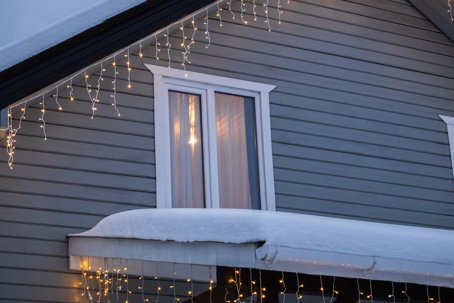
As the leaves change and temperatures begin to drop, getting your home ready for cold weather becomes a top priority. A well-sealed building envelope is essential for keeping warm air inside, reducing heating costs, and maintaining consistent indoor temperatures all season long. For a complete look at how professional solutions protect local homes year-round, exploring full-service residential insulation services can help clarify how proper coverage guards against severe weather.
When preparing your home envelope for winter, understanding how insulation interacts with air sealing is crucial. Older or settled insulation allows expensive heated air to escape while drawing cold drafts into your living spaces.
Identifying these early warning signs before freezing weather arrives ensures your home stays comfortable and energy-efficient. In this guide, you will learn the key signs your insulation needs an upgrade, how building science impacts winter heat retention, and how professional sealing solutions prepare your home for the months ahead.
What Is a Building Envelope and Why Does It Matter for Winter?
Your home’s building envelope is the physical barrier between your conditioned indoor space and the outside elements. It includes your roof, attic floor, exterior walls, windows, doors, and foundation walls. During cold weather, a weak envelope creates constant thermal loss.
Heat naturally moves toward cold spaces. When winter temperatures drop, the heated air produced by your furnace constantly tries to escape through unsealed gaps and thin insulation layers.
Upgrading your thermal boundary stops this process in its tracks, delivering several immediate benefits:
Lower Monthly Energy Bills: Keeps heated air trapped inside so your furnace runs less frequently.
Elimination of Cold Drafts: Prevents chilly air currents near baseboards, windows, and light fixtures.
Consistent Room-to-Room Comfort: Eliminates cold spots in upper-story bedrooms or rooms over garages.
Ice Dam Prevention: Stops warm air from melting snow on your roof and creating destructive gutter ice dams.
Top Signs Your Home’s Insulation Needs an Upgrade Before Winter
Many homeowners assume their insulation is performing well simply because it is present in the attic or walls. However, insulation degrades, settles, and loses its thermal resistance over time.
Observing how your home performs during seasonal shifts reveals whether your building envelope is failing. The table below outlines common warning signs and their underlying causes:
Warning Sign | Primary Underlying Cause | Home Impact | Priority Level |
Fluctuating Room Temps | Settled loose fill or missing wall batts | Uneven heating between rooms | High |
High Heating Expenses | Heat escaping through unsealed ceiling plane | Furnace runs continuously | High |
Cold Floors & Drafts | Poorly insulated crawl space or rim joist | Uncomfortable living space | Moderate |
Past Ice Dam Formation | Attic heat loss melting roof snow | Potential roof and gutter damage | Critical |
Recognizing these key signs that your insulation needs an upgrade gives you time to make improvements before peak heating demands hit. Homeowners frequently leave reviews noting how addressing these exact issues dramatically reduced their winter heating bills.
High Energy Bills in Late Fall: Sudden spikes in heating costs compared to previous years often indicate compromised thermal boundaries.
Drafts Near Vents and Outlets: Cold air entering around electrical switch plates or recessed lighting indicates air leaks in exterior walls or attic floors.
Pest Activity in the Attic: Rodents nest in aged materials, crushing insulation and creating thermal gaps that let cold air enter.
Learning how to perform an annual seasonal energy check helps you stay ahead of comfort issues before winter weather sets in.
The Science of Winter Heat Retention: Air Sealing vs. Insulation
Insulation and air sealing work as a team; one without the other leads to performance loss. Insulation acts like a wool sweater, slowing conductive heat flow. Air sealing acts like a windbreaker jacket, stopping cold air currents from blowing right through it.
During winter, homes experience thermal buoyancy (the stack effect). Warm air rises to the attic and leaks out through unsealed openings, creating negative pressure downstairs that pulls freezing outdoor air into your basement or crawl space.
Properly upgrading your envelope involves sealing gaps around attic hatches, chimney chases, and plumbing stacks before installing high-performance insulation. This prevents warm air from escaping and ensures maximum efficiency.
Comparing Insulation Solutions for Winter Envelope Upgrades
Selecting the right material depends on your home’s existing architecture, budget, and specific thermal goals. Modern insulation products offer excellent R-value density and thermal resistance.
Insulation Material | Primary Application | Thermal Resistance (R-Value) | Air Sealing Capability |
Attic floors, loose-fill top-offs | Reliable, consistent coverage | Requires separate air sealing | |
Blown-In Cellulose | Existing wall cavities, attics | High density, eco-friendly | Moderate resistance |
Spray Foam Insulation | Rim joists, crawl spaces, attics | Superior R-value per inch | Complete air & moisture barrier |
When evaluating options for hard-to-seal areas, modern solutions like spray foam retrofitting in O'Fallon offer complete building envelope protection by expanding to seal every micro-gap.
Get Your Free Insulation Quote Now
How to Prepare Your Home Envelope: A Pre-Winter Checklist
Taking proactive steps in early fall prepares your home for maximum heating efficiency before winter arrives:
Inspect Attic Insulation Depth: Measure existing attic insulation to ensure it meets recommended R-value standards for Missouri climate zone requirements—aiming for R-49 (roughly 14 inches of blown cellulose or 16.5 to 18 inches of loose-fill fiberglass) or at minimum R-38 (roughly 11 inches of cellulose or 13.5 to 15 inches of fiberglass).
Check Rim Joists and Basements: Look for uninsulated rim joists where the house frame meets the foundation wall—a major source of basement drafts.
Seal Attic Access Hatches: Add weather-stripping and rigid insulation backing to attic pull-down stairs or access panels.
Schedule a Professional Assessment: Have a contractor evaluate thermal performance with infrared cameras to identify hidden heat loss zones.
When evaluating retrofit projects, professional contractors utilize specialized thermal imaging and blower door testing to identify precise air leaks without invasive teardowns.
Energy Rate-Shielding Enhancement: Protect Against Rising Utility Costs
With electric and gas rates continuing to trend upward, preparing your home envelope acts as a powerful financial shield. Comprehensive building envelope sealing and attic insulation upgrades create an effective "energy rate lock" for your home—reducing total energy consumption so utility rate hikes have a significantly smaller impact on your monthly household budget.
Ready to Lock in Winter Warmth and Lower Energy Bills?
Protect your home from harsh winter weather with professional building envelope sealing.
Speak with our insulation specialists
Why You Need a Trusted Insulation Partner for Your Home
Upgrading your home envelope requires precision, proper diagnostic tools, and deep knowledge of building science. A minor gap left unsealed in an attic floor can cut the overall performance of new insulation in half. Working with a trusted, professional insulation contractor ensures your home upgrade yields maximum thermal comfort and utility savings.
Precision Envelope Diagnostics: Certified technicians locate hidden air leaks, pressure imbalances, and thermal bypasses using advanced infrared technology.
Comprehensive Air Sealing: A qualified team properly seals top-plate gaps, duct penetrations, and attic hatches before laying down insulation materials.
Customized Material Recommendations: A trusted partner provides clear guidance on whether blown-in fiberglass, targeted spray foam, or a hybrid approach delivers the highest return on investment for your structure.
Safe & Clean Execution: Experienced professionals complete installations efficiently with minimal disruption to your daily routine, leaving your home clean and protected.
Frequently Asked Questions
What is the best time of year to upgrade home insulation?
Early fall is the ideal time to upgrade insulation. Completing the project before cold weather hits ensures your heating system operates efficiently from the very first freeze.
How do I know if my attic needs more insulation?
If you can see your floor joists in the attic, you likely need more insulation. Standard recommendation guidelines for Missouri climate zones suggest aiming for R-49 (roughly 14 inches of blown cellulose or 16.5 to 18 inches of loose-fill fiberglass) or at minimum R-38 (roughly 11 inches of cellulose or 13.5 to 15 inches of fiberglass).
Can upgrading insulation lower my winter heating bills?
Yes. Proper insulation paired with building envelope air sealing can lower heating and cooling costs by up to 15% to 20% by reducing furnace run times.
What is the difference between air sealing and insulating?
Insulation slows heat transfer through building materials, while air sealing blocks physical air currents from escaping through cracks, seams, and structural gaps. Both are required for optimal comfort.
Secure Your Winter Comfort with iFOAM Insulation
Preparing your home envelope for winter is one of the most effective investments you can make in your home's comfort and energy performance. Rather than tolerating cold drafts, uneven temperatures, and skyrocketing heating bills, addressing insulation deficiencies before winter sets in keeps your home cozy and cost-effective all season long.
At iFOAM Insulation, our industry-leading technicians bring years of hands-on expertise to every home assessment, evaluating your insulation envelope to ensure maximum efficiency, structural protection, and peace of mind. If you suspect your current insulation isn't performing as it should, schedule a professional consultation with iFOAM Insulation today to discover custom sealing and insulation solutions tailored to your home.