Crawl Space Insulation in Clearfield
A Diagnostic Approach to Moisture, Drafts & Cold Floors
Cold floors, musty odors, and condensation on pipes or ductwork can point to problems beneath your home. We provide crawl space encapsulation in Clearfield and surrounding Davis County communities, beginning with a physical inspection rather than recommending the same system for every property.
Our Diagnostic Crawl Space Assessment checks moisture indicators, air leaks, damaged materials, pest-related issues, and the condition of any existing vapor barrier. Installers trained in the iFOAM Way installation then use those findings to build a clear, no-pressure recommendation.
Schedule your crawl space assessment with iFOAM Insulation of Layton. Call (801) 928-7257 to discuss the problems you’ve noticed and arrange a consultation.
What We Look for Beneath Your Clearfield Home
A vented or poorly insulated space can allow cold air and moisture beneath the living area. Depending on what we find, targeted air sealing and insulation may be sufficient. Broader moisture or air leakage concerns may call for full encapsulation.
Our assessment looks for conditions such as:
- Missing or compressed insulation: Batts that have fallen, shifted, or become damaged can leave sections of the floor assembly without consistent thermal resistance.
- Air leakage: Gaps around plumbing, wiring, framing, and the rim joist can allow outdoor air to enter the space.
- Ground moisture: An absent, damaged, or poorly fitted vapor barrier can allow moisture from the soil to enter.
- Condensation and odors: Damp conditions can contribute to musty smells and create an environment favorable to mold growth.
- Pest-related damage: Animals and insects can disturb insulation or damage materials that need attention before new work begins.
Our Crawl Space Encapsulation Process
The iFOAM Way installation covers planning, home protection, installation, cleanup, and documentation. You’ll know what we found, what we recommend, and how the work can proceed before installation starts.
- Diagnostic Crawl Space Assessment: We physically inspect the space for moisture indicators, air leaks, damaged insulation, pest activity, and vapor barrier condition.
- Customized Strategy Session: We explain the findings in plain language and discuss vapor barriers, underfloor batts, or full encapsulation with spray foam according to the home’s condition.
- Property Shielding & Entry Prep: Before entering the crawl space, our crew establishes a protection perimeter with floor runners and hallway shielding.
- Installation and air sealing: We complete the planned insulation and sealing work, paying particular attention to penetrations and the rim joist, a common source of cold drafts.
- Site Restoration & Debris Removal: When included in the plan, we remove old, contaminated insulation and dispose of debris associated with the job.
- Visual Documentation & Walkthrough: We provide before-and-after photos and review the completed installation with you.
- Long-Term Health Review: We close the service with practical guidance for monitoring crawl space moisture over time.
-
STEPSchedule a Free AssessmentDuring your free in-home assessment, we’ll evaluate insulation levels and provide honest recommendations for improvement. We’ll leave you with a free estimate to know just what to expect, and we’ll answer all your questions.
-
STEPLet Our Team InstallThanks to our simple and easy installation process, your new insulation system will be installed before you know it! They’ll make sure to get the work done efficiently, accurately, and with minimal disruption to your daily routine.
-
STEPEnsure QualityWith the help of advanced testing techniques and proprietary technology, our team can accurately measure and diagnose insulation performance in any home, ensuring your new installation is working at its best and you’re free of other issues.
-
STEPCleanupBefore we leave, we’ll make sure to clean up any mess created during the installation process. We take pride in leaving our customers’ homes as clean as we found them.
-
STEPFinal InspectionTo finish off our service, we’ll conduct a final inspection to ensure your satisfaction with the installation process and the results. We want to make sure you’re getting the most out of your investment and feeling comfortable in your newly insulated space.

Choosing Materials for Insulation & Moisture Control
The right materials depend on where air and moisture are entering, the condition of the existing insulation, and the thermal resistance your home needs. R-value measures how well a material resists heat flow. When properly installed, a higher R-value generally provides greater resistance.
Vapor Barriers
A vapor barrier is a sheet material installed to limit ground moisture from entering the space. Coverage, thickness, seams, and the condition of the underlying area all affect how the barrier should be planned.
Underfloor Batt Insulation
Fiberglass batts can be installed between floor joists to add thermal resistance beneath the living space. Before retaining or replacing existing batts, we check them for gaps, compression, moisture damage, and displacement.
Spray Foam Encapsulation
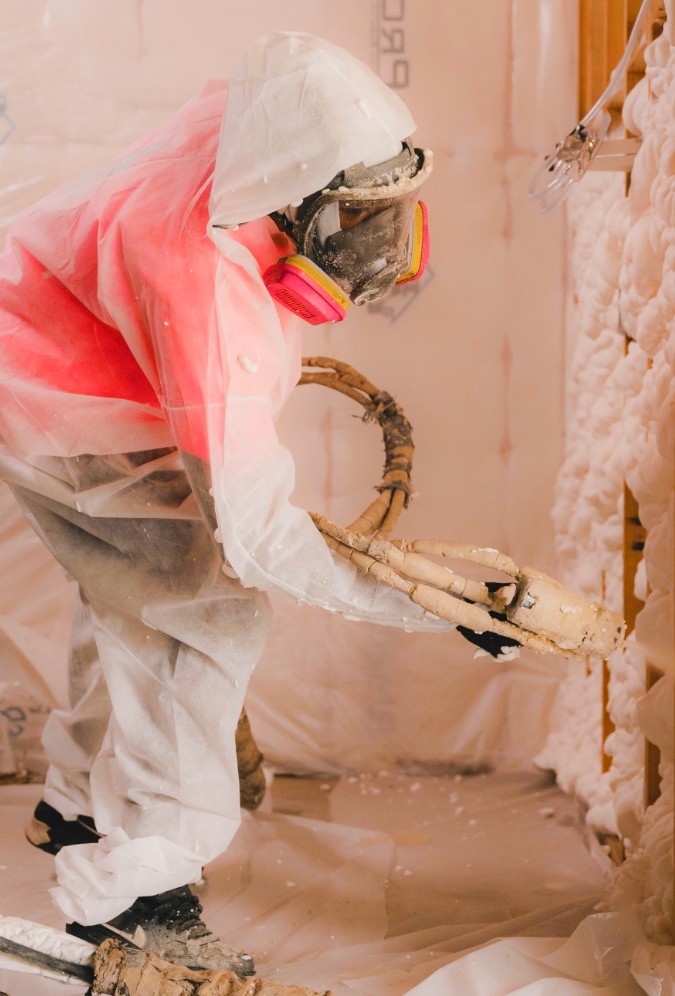
Spray foam insulation can form a continuous air and thermal barrier when applied to the appropriate surfaces. Closed-cell spray foam generally offers greater moisture resistance and a higher R-value per inch than open-cell foam, making it a common option for crawl spaces and rim joists.
Limiting air movement between the area beneath your home and the conditioned rooms above can promote more consistent comfort and energy efficiency. Full encapsulation isn’t automatically necessary, so we base our recommendation on the conditions we find.
-
How Do I Know If My Home Needs New Insulation?
Here are several signs that your home may need new insulation:
- Frozen Pipes
- Uneaven Temperatures Throughout Your Home
- Cold Floors
- High Energy Bills
- Drafts Around Windows and Doors
- Ice dams
Finally, consider the age of your insulation:
- Batt/Fiberglass. Fiberglass insulation should last roughly 7-10 years.
- Cellulose. Blown-in cellulose should last roughly 10-15 years.
- Spray Foam. Spray foam should last 80-100 years, or the age of the house (as long as it was installed properly).
Our experts can provide an accurate assessment of the state of your home’s insulation. We'll consider your energy efficiency with state-of-the-art technology and years of industry know-how.
Give us a call to book your free consultation!
-
Why Use Spray Foam?
Spray foam has been rated to have the highest efficiency and R-value when compared to other insulation (like batt fiberglass).
Furthermore, spray foam's intuitive design allows it to create an airtight seal even in tricky and problematic spaces. It has been proven to keep out air pollutants and help soundproof buildings.
Visit our blog to learn about spray foam's benefits and why its a great choice for your home.
-
How Much Will My Installation Cost?
Prices vary from project to project. For an accurate assessment tailor-made to your home's needs, give our team a call today! You can also discover additional insights on why spray foam is worth the cost by visiting our blog.



Explore Our Family Of Brands