Air Sealing in Clearfield
Find & Close Hidden Leaks in Your Building Envelope
Small openings around attic access points, rim joists, windows, doors, and utility penetrations can let conditioned air escape into unconditioned spaces. We find these hidden pathways and recommend targeted Air Sealing for homes and commercial properties in Clearfield.
Air Sealing closes gaps in the building envelope rather than sealing HVAC ducts. It can reduce drafts, uneven temperatures, and unnecessary heating or cooling demand. Because air can move through many types of insulation, leaks may need to be sealed before or alongside insulation improvements.
Request a free Air Sealing assessment from iFOAM Insulation of Layton. Call (801) 928-7257 to discuss the drafts, temperature differences, or suspected leaks affecting your property.
Recommendations Based on Your Clearfield Property
We begin by assessing existing insulation and the areas where leakage commonly occurs. Our recommendations account for the property’s condition, your priorities, and your budget. Rather than applying the same method to every building, we select materials based on the location and type of opening.
Our installers are trained in the iFOAM installation approach, and we’re members of the Insulation Contractors Association of America and the Spray Polyurethane Foam Alliance. Our work is backed by a limited lifetime materials warranty and a five-year workmanship warranty.
Where & How We Seal Air Leaks
An effective project targets openings between conditioned and unconditioned spaces. The right sealing material depends on the opening, surrounding assembly, accessibility, and applicable safety requirements.
Our assessment may cover areas such as:
- Attic hatches and other attic access points
- Plumbing and electrical penetrations
- Recessed lighting fixtures
- Basement and crawl-space rim joists
- Gaps around windows, doors, and trim
- Joints and openings between building materials
Depending on the application, we may use spray foam, caulk, or weather stripping. Work near combustion appliances, electrical components, recessed lights, and ventilation paths must maintain required clearances and follow manufacturer instructions.
What to Expect During Your Air Sealing Project
First, we discuss what you’ve noticed, whether it’s a specific draft, an uncomfortable room, an attic or crawl-space concern, or a broader building-envelope problem. We then assess whether sealing alone suits the property or whether related insulation work should also be considered.
Our process includes:
- Assessment: We review insulation levels and likely leak locations.
- Recommendations: We explain the proposed work and provide transparent pricing before installation.
- Property Protection: Our crew prepares and protects the work area.
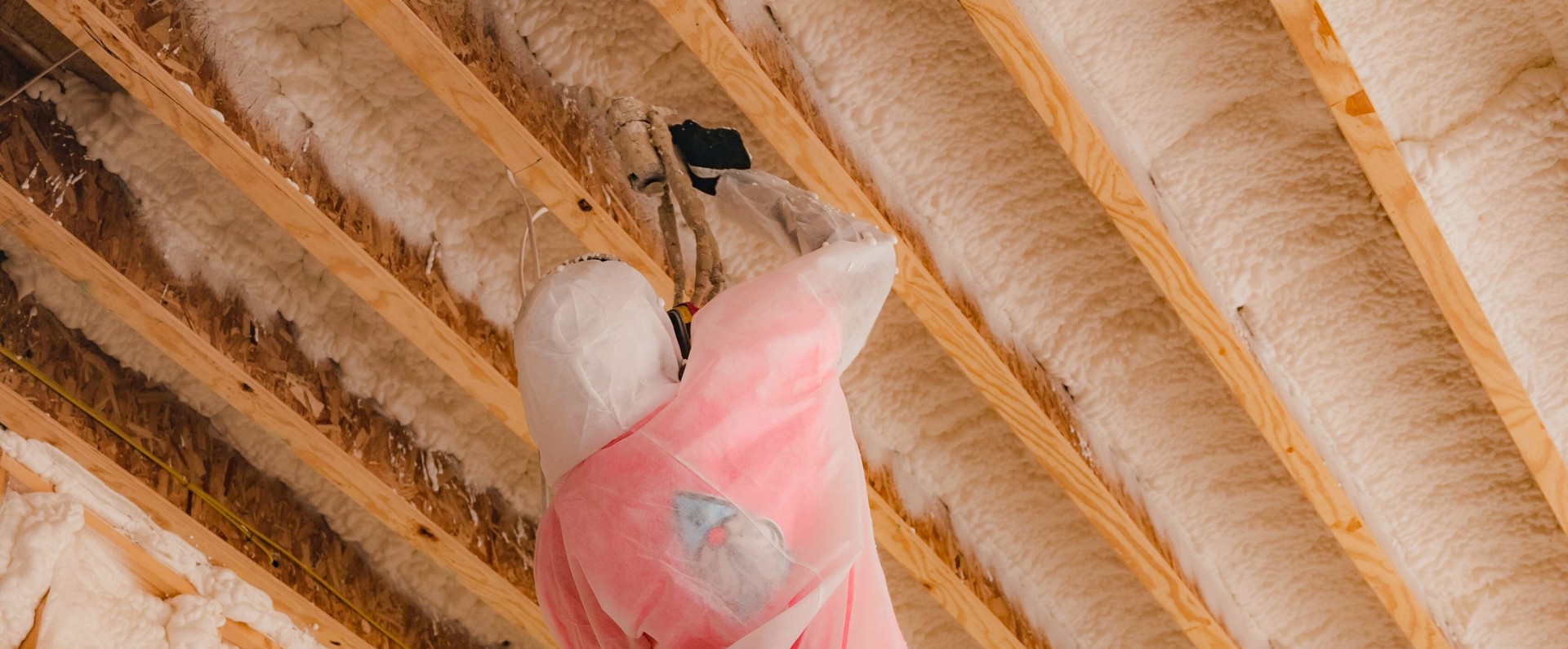
- Installation: We close identified openings with materials suited to each application.
- Quality Review: We evaluate the work and remove installation materials and debris.
- Final Discussion: We walk you through the completed project and answer your questions.
Schedule Your Free Air Sealing Assessment
Find out where conditioned air may be escaping and which improvements make sense for your property. We offer free consultations for Clearfield homeowners and business owners, with recommendations based on observed conditions rather than a one-size-fits-all package.
Call (801) 928-7257 to schedule your free consultation with iFOAM Insulation of Layton.
-
STEPSchedule a Free AssessmentDuring your free in-home assessment, we’ll evaluate insulation levels and provide honest recommendations for improvement. We’ll leave you with a free estimate to know just what to expect, and we’ll answer all your questions.
-
STEPLet Our Team InstallThanks to our simple and easy installation process, your new insulation system will be installed before you know it! They’ll make sure to get the work done efficiently, accurately, and with minimal disruption to your daily routine.
-
STEPEnsure QualityWith the help of advanced testing techniques and proprietary technology, our team can accurately measure and diagnose insulation performance in any home, ensuring your new installation is working at its best and you’re free of other issues.
-
STEPCleanupBefore we leave, we’ll make sure to clean up any mess created during the installation process. We take pride in leaving our customers’ homes as clean as we found them.
-
STEPFinal InspectionTo finish off our service, we’ll conduct a final inspection to ensure your satisfaction with the installation process and the results. We want to make sure you’re getting the most out of your investment and feeling comfortable in your newly insulated space.


Signs Your Clearfield Property May Have Air Leaks
Drafts aren’t the only sign of leakage. Rooms that stay warmer or colder than nearby spaces, air movement around attic or crawl-space access points, and unexplained changes in utility use may warrant a closer assessment.
Visible areas worth checking include:
- Gaps around plumbing pipes and electrical wiring
- Openings around recessed lighting and duct penetrations
- Poorly fitted or unsealed attic hatches
- Joints at rim joists and framing transitions
- Cracks around window frames, door frames, and trim
A visual inspection won’t reveal every pathway. Air can travel behind insulation, through concealed framing transitions, and around mechanical penetrations hidden by finished surfaces.
How Utah Energy Codes Relate to Air Sealing
Clearfield City’s adopted building regulations reference the International Energy Conservation Code, International Residential Code, and applicable Utah amendments. These standards address construction, alterations, repairs, remodeling, and building maintenance. The requirements for a particular project depend on its type and scope.
Utah energy code guidance distinguishes sealing gaps from installing air-permeable insulation and addresses openings between conditioned and unconditioned spaces. Permit and code requirements may differ for new construction, renovations, and existing-building retrofits, so they should be confirmed for the planned work.
-
How Do I Know If My Home Needs New Insulation?
Here are several signs that your home may need new insulation:
- Frozen Pipes
- Uneaven Temperatures Throughout Your Home
- Cold Floors
- High Energy Bills
- Drafts Around Windows and Doors
- Ice dams
Finally, consider the age of your insulation:
- Batt/Fiberglass. Fiberglass insulation should last roughly 7-10 years.
- Cellulose. Blown-in cellulose should last roughly 10-15 years.
- Spray Foam. Spray foam should last 80-100 years, or the age of the house (as long as it was installed properly).
Our experts can provide an accurate assessment of the state of your home’s insulation. We'll consider your energy efficiency with state-of-the-art technology and years of industry know-how.
Give us a call to book your free consultation!
-
Why Use Spray Foam?
Spray foam has been rated to have the highest efficiency and R-value when compared to other insulation (like batt fiberglass).
Furthermore, spray foam's intuitive design allows it to create an airtight seal even in tricky and problematic spaces. It has been proven to keep out air pollutants and help soundproof buildings.
Visit our blog to learn about spray foam's benefits and why its a great choice for your home.
-
How Much Will My Installation Cost?
Prices vary from project to project. For an accurate assessment tailor-made to your home's needs, give our team a call today! You can also discover additional insights on why spray foam is worth the cost by visiting our blog.



Explore Our Family Of Brands