Spray Foam Insulation in Kaysville
Targeted Spray Foam Addresses Drafts & Uneven Temperatures
If your home or business feels drafty, some rooms never reach a comfortable temperature, or utility bills keep climbing, air leaks or insufficient insulation may be contributing to the problem. We provide spray foam insulation for residential and commercial properties in Kaysville, with recommendations tailored to the areas that need attention.
At iFOAM Insulation of Layton, we assess existing insulation, accessible air leakage locations, moisture concerns, and your comfort and efficiency goals. We then explain whether foam belongs in the attic, crawl space, rim joists, exterior walls, or another part of the property. This assessment also helps determine whether it should be used alone or with batt or blown-in insulation.
For a free spray foam insulation consultation, Reach out online or call us at (801) 928-7257.
Trained Installers & Documented Warranty Coverage
Our installers are trained in the iFOAM way and use professional equipment and established installation procedures. Before recommending a material or defining the project scope, we carefully assess the property and consider the safety requirements of the application.
We are a member of the Insulation Contractors Association of America and the Spray Polyurethane Foam Alliance. These affiliations support ongoing industry knowledge and responsible installation practices.
Qualifying projects also receive a 5-year limited workmanship warranty and a limited lifetime materials warranty, subject to the applicable terms. We can explain the relevant coverage so you can consider it alongside the proposed materials and installation plan.
How Spray Foam Supports the Building Envelope
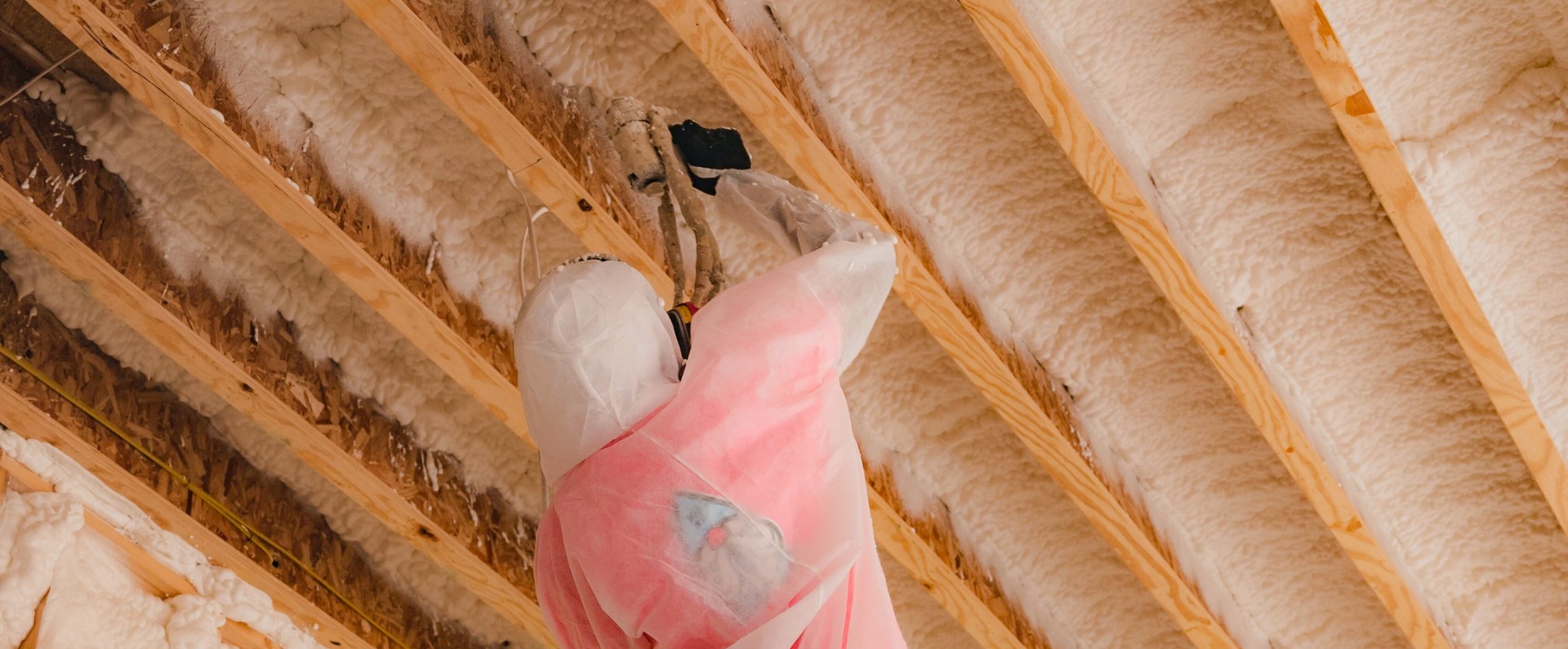
Spray foam expands to fill gaps, cracks, voids, and irregular surfaces, creating an air-sealing layer as it insulates. When properly matched to the building assembly, it can reduce drafts and support more consistent indoor temperatures.
Reduced air leakage may also allow heating and cooling equipment to operate more efficiently. Actual energy savings depend on the property, existing insulation, equipment, installation quality, and occupant use. Noise reduction and moisture performance also vary by application, so we evaluate those goals within the context of the complete assembly.
Common application areas include attics, exterior walls, rim joists, crawl spaces, basement walls, ceilings, floors, and selected commercial roof or transition areas. The right locations depend on where inadequate insulation or uncontrolled air movement is affecting the property.
Key ways spray foam can support a building envelope:
- Helps reduce drafts and temperature swings by sealing gaps and cracks.
- Supports thermal performance when properly matched to the assembly.
- Conforms to irregular surfaces and hard-to-fill spaces.
- Can complement batt, blown-in insulation, and targeted air sealing.
Choosing Between Open-Cell & Closed-Cell Spray Foam
We offer both open-cell spray foam and closed-cell spray foam, but neither is automatically the right choice for every property. The recommendation depends on the installation area, surrounding materials, moisture exposure, required performance, and project goals.
Open-cell foam is less dense, expands more, and remains more vapor permeable than closed-cell foam. Closed-cell foam is denser and more resistant to water, with different thermal and structural characteristics. These differences influence where and how each product may be used.
Rather than selecting a product based on one feature, we consider the entire assembly. We can explain why a particular option fits the proposed area and whether another insulation material would work better elsewhere.
What to Expect During Installation
Every project begins with a free consultation, usually at your home or business. We listen to your concerns, inspect insulation where it can be accessed safely, and look for likely sources of air leakage. For retrofit projects, we may recommend combining targeted foam with batt or blown-in materials already suited to other parts of the property.
Our typical spray foam installation steps include:
- Free on-site assessment and discussion of comfort and energy goals.
- Clear proposal outlining the recommended materials and project scope.
- Preparation of work areas and implementation of appropriate safety measures.
- Installation by trained insulation contractors.
- Quality-assurance checks, final inspection, cleanup, and a walkthrough of the completed work.
Preparation, ventilation, access requirements, and timing vary with the product, application area, property conditions, and manufacturer instructions. We can review the expectations for your project before installation begins.
Spray Foam Applications for Kaysville Properties
Insulation gaps and uncontrolled air movement can occur in attics, exterior walls, crawl spaces, rim joists, and basement areas. A targeted assessment identifies which assemblies are contributing to drafts or temperature differences instead of assuming the entire property needs the same treatment.
Retrofit projects may require us to work around existing fiberglass or cellulose, finished surfaces, framing, utilities, limited access, or moisture concerns. We evaluate what can remain, what may need to be removed, and where foam can be applied effectively. The final plan may combine targeted applications with batt or blown-in insulation elsewhere in the building envelope.
New construction and remodeling projects allow insulation decisions to be coordinated before interior finishes limit access. We can assess rooflines, exterior walls, ceilings, floors, and building transitions while the relevant assemblies are open.
We also provide commercial insulation for offices, shops, and other business properties. Potential application areas include rooflines, demising walls, ceilings, and transitions where air leakage or temperature differences affect the space. For every project, we match the recommendation to the building rather than treating one material as a universal answer.
Plan Spray Foam Around Your Kaysville Property
A free consultation can clarify which insulation, air leakage, and application areas need attention. We’ll assess the existing conditions, discuss open-cell and closed-cell options, and outline a practical scope for your residential or commercial property.
Call (801) 928-7257 or reach out online to schedule your free insulation consultation.
-
STEPSchedule a Free AssessmentDuring your free in-home assessment, we’ll evaluate insulation levels and provide honest recommendations for improvement. We’ll leave you with a free estimate to know just what to expect, and we’ll answer all your questions.
-
STEPLet Our Team InstallThanks to our simple and easy installation process, your new insulation system will be installed before you know it! They’ll make sure to get the work done efficiently, accurately, and with minimal disruption to your daily routine.
-
STEPEnsure QualityWith the help of advanced testing techniques and proprietary technology, our team can accurately measure and diagnose insulation performance in any home, ensuring your new installation is working at its best and you’re free of other issues.
-
STEPCleanupBefore we leave, we’ll make sure to clean up any mess created during the installation process. We take pride in leaving our customers’ homes as clean as we found them.
-
STEPFinal InspectionTo finish off our service, we’ll conduct a final inspection to ensure your satisfaction with the installation process and the results. We want to make sure you’re getting the most out of your investment and feeling comfortable in your newly insulated space.


-
How Do I Know If My Home Needs New Insulation?
Here are several signs that your home may need new insulation:
- Frozen Pipes
- Uneaven Temperatures Throughout Your Home
- Cold Floors
- High Energy Bills
- Drafts Around Windows and Doors
- Ice dams
Finally, consider the age of your insulation:
- Batt/Fiberglass. Fiberglass insulation should last roughly 7-10 years.
- Cellulose. Blown-in cellulose should last roughly 10-15 years.
- Spray Foam. Spray foam should last 80-100 years, or the age of the house (as long as it was installed properly).
Our experts can provide an accurate assessment of the state of your home’s insulation. We'll consider your energy efficiency with state-of-the-art technology and years of industry know-how.
Give us a call to book your free consultation!
-
Why Use Spray Foam?
Spray foam has been rated to have the highest efficiency and R-value when compared to other insulation (like batt fiberglass).
Furthermore, spray foam's intuitive design allows it to create an airtight seal even in tricky and problematic spaces. It has been proven to keep out air pollutants and help soundproof buildings.
Visit our blog to learn about spray foam's benefits and why its a great choice for your home.
-
How Much Will My Installation Cost?
Prices vary from project to project. For an accurate assessment tailor-made to your home's needs, give our team a call today! You can also discover additional insights on why spray foam is worth the cost by visiting our blog.



Explore Our Family Of Brands