Batt Insulation Contractor in Draper
Comfortable, Efficient Homes Start With Better Insulation
If your home never feels quite comfortable, no matter how much you run the heater or air conditioner, your insulation may be part of the problem. Drafty rooms, hot upstairs spaces, and rising utility bills are all signs that your home might benefit from an upgrade like batt insulation.
At iFOAM of Draper, we help families and property owners in this part of Utah improve comfort and energy efficiency with thoughtful insulation solutions. Batt insulation is one of the tools we use, along with spray foam and blown-in products, so we can match the right option to each part of your home.
Our team provides friendly, professional assessments, explains your options in simple terms, and follows a clear process that keeps your home safe and clean. If you are tired of guessing why certain rooms never feel right, we are here to help you make a plan that fits your space and budget.
A time-tested solution for a more comfortable home. Reach out online or call us at (801) 980-9639 to schedule a BATT insulation consultation.
How Batt Insulation Helps Homes In Draper
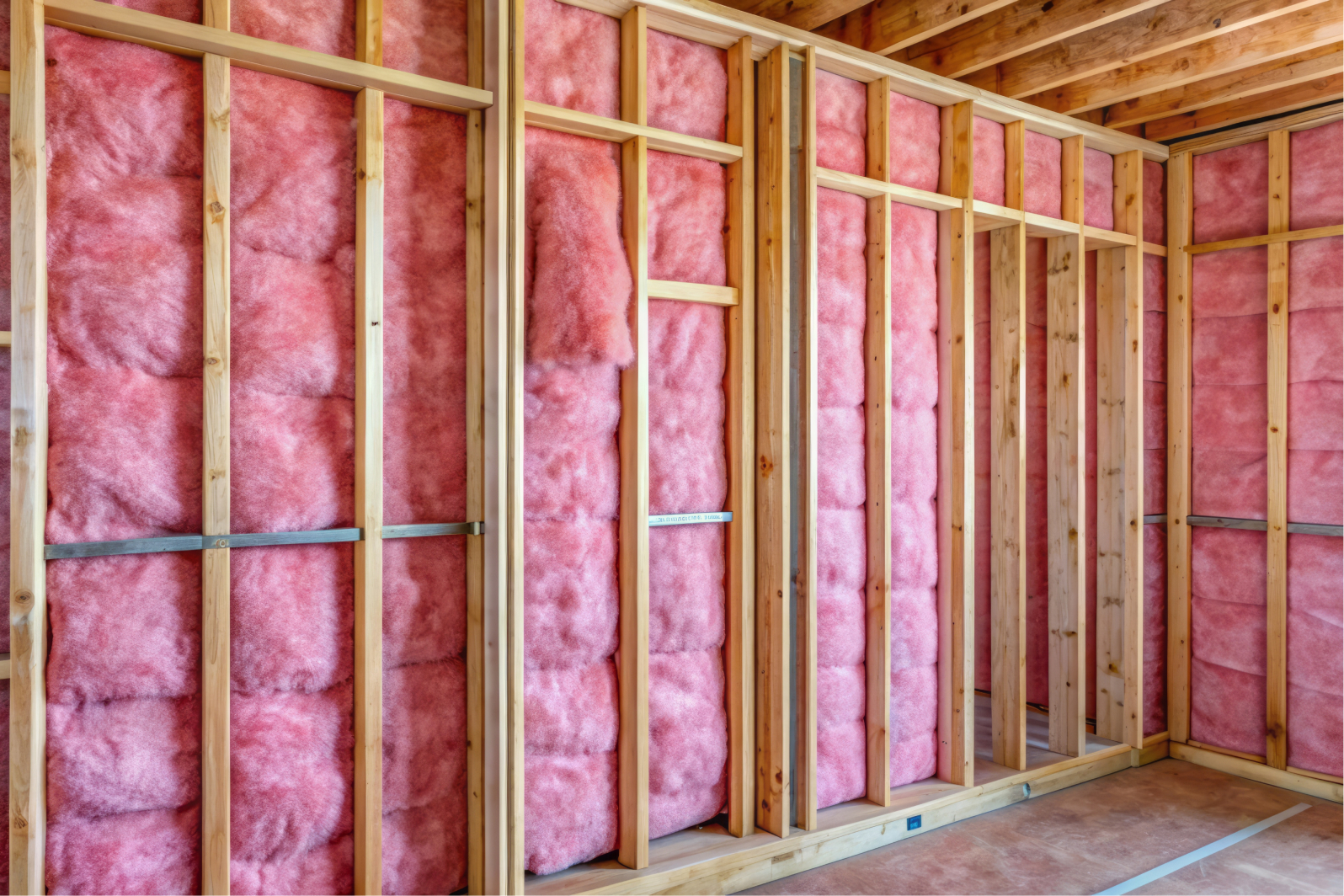
It is a flexible, blanket-like product, often made from fiberglass, that is sized to fit between studs and joists. When installed correctly, it fills cavities in walls, ceilings, and floors to slow heat moving in and out of your home. It can be a practical option for both new construction and many retrofit projects.
Here in Draper, we see everything from hot summer days that overheat attics to chilly winter nights that leave floors and basements feeling cold. Properly installed batts help slow heat gain in summer and reduce heat loss in winter, which can support more consistent indoor temperatures. This can also lower the workload on your heating and cooling equipment.
Because homes in Draper and neighboring communities were built in different eras, we often find a mix of insulation levels even within the same house. Some areas may meet current recommendations while others lag far behind, especially in bonus rooms or additions that were finished later. When we walk through your property, we note these differences and explain where an upgrade with batt insulation will likely have the biggest impact so you can prioritize projects in a way that makes sense for your budget.
Many homes in this area, including those in nearby Sandy, have attics and wall sections that were insulated years ago with materials that may no longer perform well. We often find gaps, compressed batts, or areas that were never insulated at all, especially over garages or in finished bonus rooms. In these cases, adding or replacing batt insulation can make a noticeable difference in comfort.
Batt insulation works best when we have proper access to framing cavities and when air leaks are addressed at the same time. In some spots, such as irregular cavities or tight corners, we may suggest spray foam or blown-in products instead. During your assessment, we explain why a particular type makes sense in each area so you can feel confident in the plan.
Our Comprehensive Process
Upgrading your home’s insulation is a significant step toward year-round comfort and energy efficiency. To ensure the process is as smooth as possible, we follow a disciplined workflow designed to maximize thermal performance while treating your home with the utmost respect.
- On-Site Thermal Audit: We begin with a physical walkthrough of your property to identify "invisible" comfort threats. Our team inspects existing insulation levels, locates visible air gaps, and evaluates access points like attic hatches or crawl space entries to map out a precise plan for your home.
- Performance & Priority Consultation: We sit down to discuss your specific goals. Whether you are dealing with hot upstairs rooms or drafty floors, we help you prioritize zones for batt insulation and determine if supplementary services like air sealing or old material removal are necessary for an optimal result.
- Technical Planning & Transparency: We provide a detailed project plan that outlines material types, approximate timelines, and our strategy for property protection. This is your opportunity to review the scope and ensure all your questions are addressed before we move into the scheduling phase.
- Enhanced Logistical Coordination: We align our installation schedule with your personal calendar and provide clear communication regarding material arrival. Our team designates specific staging areas to keep your walkways clear and coordinates around your household routine to ensure our presence creates minimal disruption.
- Property Shielding & Staging: On installation day, our crew establishes a "protection perimeter." We utilize heavy-duty covers for your flooring and nearby surfaces, ensuring that the movement of materials and equipment is handled without impacting your home’s interior.
- Precision Batt Integration: Our specialists focus on the "fine-tuning" of the install. We carefully fit insulation batts into cavities, ensuring they are not compressed or gapped, which is critical for maintaining their full R-value and thermal resistance.
- Comprehensive Air Sealing: When part of your plan, we perform targeted air sealing to close up leaks around plumbing stacks and electrical penetrations. This step supports the new insulation by preventing conditioned air from bypassing the thermal barrier.
- Site Remediation & Quality Check: Once the technical work is complete, we perform a thorough cleaning of the work area. We conduct a final quality check of all addressed spaces to ensure every batt is properly seated and the area is left orderly.
- Final Handover & Long-Term Support: We conclude with a guided walkthrough of the completed work. We explain exactly what was installed and remain available as your long-term partner for any future comfort questions or practical solutions.
Choosing a Batt Insulation Contractor in Draper
Selecting the right team to work in your home is just as important as choosing the right insulation material. When you look for a batt insulation contractor Draper homeowners can rely on, you want a company that understands local housing styles, typical attic and crawl space conditions, and the demands of Utah’s four-season climate. We keep these factors in mind during every project so the work we do today continues to perform well as temperatures swing from summer heat to winter cold.
Experience with existing homes along the Wasatch Front also matters because access, ventilation, and moisture conditions can vary from one neighborhood to the next. A careful contractor will check for signs of past roof leaks, previous remodels, and areas where insulation might trap moisture if installed incorrectly. By walking you through what we see and how we plan to address it, we help you feel comfortable with both the scope of work and the reasoning behind our recommendations.
It can also be helpful to choose an insulation partner that offers more than one product type, rather than a company that only installs a single material. Because we work with batts, spray foam, and blown-in insulation, we can explain where each option fits best instead of trying to make one solution work everywhere. That flexibility, combined with our step-by-step process and focus on keeping your home clean, lets you move forward knowing the plan was built around your specific house instead of a one-size-fits-all approach.
Energy Efficiency, Building Codes, and R-Values in Utah Homes
Insulation upgrades are not only about comfort; they also play a role in meeting current energy expectations for homes in Utah. State and local building codes set minimum R-value targets for areas like attics, exterior walls, and floors over unconditioned spaces. While existing homes are not always required to be brought up to new construction standards, aiming closer to these guidelines can help you get more predictable heating and cooling performance from your equipment.
Along the Wasatch Front, including Draper and Sandy, many older homes were insulated to lower levels than what is typically recommended today. During our assessment, we measure approximate existing depths and translate that into estimated R-values so you can see how far your home is from modern targets. That information helps you decide whether to simply top off an attic with additional batts or plan a more comprehensive approach that includes air sealing and other improvements.
Because energy use is a concern for many families, we also talk through how insulation interacts with your furnace, air conditioner, or heat pump. When heat loss and heat gain are reduced, equipment may run for shorter cycles and experience less strain over time. While every home and utility bill is different, understanding how insulation upgrades support long-term efficiency can make it easier to weigh the cost of the project against the comfort and energy benefits you are aiming for.
Batt Insulation In Common Areas
Different parts of a home in this region face different comfort challenges. Batt insulation can be an effective tool in several key areas, especially when paired with the right preparation and complementary services. We focus on spaces where insulation upgrades typically deliver the most noticeable results.
Attics and Upper Floors
Attics are one of the first places we evaluate. In summer, heat can build up above your living space and make upstairs rooms hard to cool. In winter, warm air can escape through the roof if the insulation is thin or poorly installed. Adding the right amount of batt insulation, combined with attention to ventilation and air sealing, can help stabilize temperatures throughout the year.
When we look at attics in established Draper neighborhoods, we frequently see older insulation that has settled or been disturbed by previous work. Light shining through around can lights, plumbing penetrations, or attic access points is a clue that air and heat are slipping through as well. By bringing these areas up to current recommendations and addressing obvious gaps, we help your attic function as a true thermal lid instead of a weak spot in the building shell.
Key attic and upper-floor improvements we often recommend include:- Bringing levels up: Increasing overall insulation depth to better match current R-value recommendations for our climate zone.
- Sealing penetrations: Closing gaps around light fixtures, ducts, and chases so air does not bypass your new batts.
- Checking ventilation: Making sure soffit and roof vents are clear so heat and moisture can move out of the attic space.
- Protecting access points: Insulating and weatherstripping attic hatches or pull-down stairs that sit over conditioned rooms.
Rooms Over Garages, Basements, and Crawl Spaces
We also see many comfort complaints in rooms above garages and overhangs. These spaces often have less insulation than interior rooms, which can lead to cold floors in winter and hot spots in summer. Properly installed batts in the floor cavities and surrounding walls can make these areas more usable and pleasant.
Basements and crawl spaces in this part of Utah can feel damp or chilly, especially in older homes. Batt insulation may be used on rim joists, basement walls, or floors above crawl spaces, sometimes as part of a larger solution that includes encapsulation or moisture control. We discuss these options based on what we find during your assessment so your insulation works with the rest of the building system.
Common signs it may be time to upgrade insulation include:- Rooms that are noticeably hotter or colder than the rest of the home
- High energy bills compared to similar homes or past seasons
- Drafts near walls, floors, or attic access points
- Very dusty attics or visibly damaged or missing insulation
- Floors over garages or crawl spaces that feel cold underfoot
Frequently Asked Questions
How Do I Know If I Need New Batt Insulation?
Signs include uneven room temperatures, high utility bills, drafts, or visibly thin or damaged insulation in areas you can access. During a visit, we look at your existing material and listen to your concerns, then explain whether upgrading insulation is likely to help.
Is Batt Insulation the Best Choice for My Home?
Batt insulation can be a great fit for many attics, walls, and floors, especially when we have clear access to framing cavities. In other areas, spray foam or blown-in products may perform better. We review your home and suggest the mix of materials that matches your needs.
What Will Installation Day Look Like in My House?
Our crew arrives on time, protects floors and nearby areas, and then installs batts in the spaces we planned together. You can expect some noise and activity, but we work to minimize disruption. When we finish, we clean the work area and review the completed project with you.
Can Your Team Work With My Existing Insulation?
In many homes, we can add batt insulation on top of existing material if it is dry, stable, and installed safely. If insulation is damaged, dirty, or poorly placed, we may recommend removal or adjustments first. We explain the options and what makes sense in your situation.
How Soon Will I Notice Comfort or Energy Changes?
Many homeowners notice more stable temperatures and fewer drafts soon after insulation work is completed. Energy bill changes typically show up over one or more billing cycles, depending on the weather and how you use your home. We set realistic expectations based on the areas we improve.
Looking for a cost-effective way to boost your R-value? Call (801) 980-9639 or reach out online to schedule your insulation assessment.
-
STEPSchedule a Free AssessmentDuring your free in-home assessment, we’ll evaluate insulation levels and provide honest recommendations for improvement. We’ll leave you with a free estimate to know just what to expect, and we’ll answer all your questions.
-
STEPLet Our Team InstallThanks to our simple and easy installation process, your new insulation system will be installed before you know it! They’ll make sure to get the work done efficiently, accurately, and with minimal disruption to your daily routine.
-
STEPEnsure QualityWith the help of advanced testing techniques and proprietary technology, our team can accurately measure and diagnose insulation performance in any home, ensuring your new installation is working at its best and you’re free of other issues.
-
STEPCleanupBefore we leave, we’ll make sure to clean up any mess created during the installation process. We take pride in leaving our customers’ homes as clean as we found them.
-
STEPFinal InspectionTo finish off our service, we’ll conduct a final inspection to ensure your satisfaction with the installation process and the results. We want to make sure you’re getting the most out of your investment and feeling comfortable in your newly insulated space.


-
How Do I Know If My Home Needs New Insulation?
Here are several signs that your home may need new insulation:
- Frozen Pipes
- Uneaven Temperatures Throughout Your Home
- Cold Floors
- High Energy Bills
- Drafts Around Windows and Doors
- Ice dams
Finally, consider the age of your insulation:
- Batt/Fiberglass. Fiberglass insulation should last roughly 7-10 years.
- Cellulose. Blown-in cellulose should last roughly 10-15 years.
- Spray Foam. Spray foam should last 80-100 years, or the age of the house (as long as it was installed properly).
Our experts can provide an accurate assessment of the state of your home’s insulation. We'll consider your energy efficiency with state-of-the-art technology and years of industry know-how.
Give us a call to book your free consultation!
-
Why Use Spray Foam?
Spray foam has been rated to have the highest efficiency and R-value when compared to other insulation (like batt fiberglass).
Furthermore, spray foam's intuitive design allows it to create an airtight seal even in tricky and problematic spaces. It has been proven to keep out air pollutants and help soundproof buildings.
Visit our blog to learn about spray foam's benefits and why its a great choice for your home.
-
How Much Will My Installation Cost?
Prices vary from project to project. For an accurate assessment tailor-made to your home's needs, give our team a call today! You can also discover additional insights on why spray foam is worth the cost by visiting our blog.



Explore Our Family Of Brands