Barn Insulation in West Jordan
Make Your Barn More Comfortable & Efficient
If your barn is hot in the summer, freezing in the winter, or always battling condensation, you are not alone. Barns in West Jordan face wide temperature swings that are tough on metal roofs, animals, and equipment. The right insulation can turn a drafty structure into a more stable, useful space.
At iFOAM of Draper, we help barn owners improve comfort and cut wasted energy with insulation solutions tailored to each building. We look at how you use your barn, from stalls and tack rooms to hay storage and workshops, then recommend materials that fit your goals and budget. Our team focuses on quality and safety so you can feel comfortable inviting us onto your property.
We use modern insulation technology, along with careful air sealing and retrofit techniques, to help barns perform better in this part of Utah. Our goal is to make the process straightforward, from the first conversation through the final inspection.
Need reliable barn insulation in West Jordan? Trust iFOAM of Draper for quality service and lasting results. Contact us today or call (801) 980-9639 for a free estimate!
Why Barn Owners Choose Our Team
Barn owners and managers come to us because they want more than a quick fix. They want someone who understands that a barn is a working building with animals, equipment, and stored materials that need protection. We start with a professional assessment that looks at the whole envelope, including roof, walls, floors, and key areas like lofts or feed rooms.
During this visit, we pay attention to drafts, temperature differences, and signs of condensation or previous moisture damage. We then walk you through what we find in plain language. Our team explains where heat is escaping, where air leaks are likely, and which areas of the barn would benefit most from upgrades.
Because we provide spray foam, batt insulation, blown-in products, air sealing, insulation removal, and retrofit services, we are not locked into a single approach. We can suggest combinations that make sense, such as air sealing and spray foam under a metal roof, or batt insulation in framed walls where it fits well. This flexibility helps us align performance and budget instead of pushing one material every time.
Our installers are trained in the iFOAM way, which means a consistent process and attention to detail on every project. Safety is built into each step, from set up through clean up. We work to protect animals, people, and property while we are on site. Over time, many clients notice more stable temperatures, quieter interiors, and utility bills that better reflect the work their barn actually does.
Barn Insulation For West Jordan Conditions
Barns in West Jordan live through hot, dry summers and cold winter nights. Metal roofs can bake in the sun during July, then radiate that heat into the space below. In January, the same roofs can drip with condensation when warmer, moist air meets cold metal. These swings are hard on animals, structures, and anything you store inside.
Older barns or pole buildings often have gaps where walls meet the roof, around doors, or along the foundation. Cold air can pour in during winter, and hot air can linger in lofts or hay storage during summer. Without proper insulation, you may notice wide temperature differences between ground level and upper areas, along with damp spots on ceilings or framing.
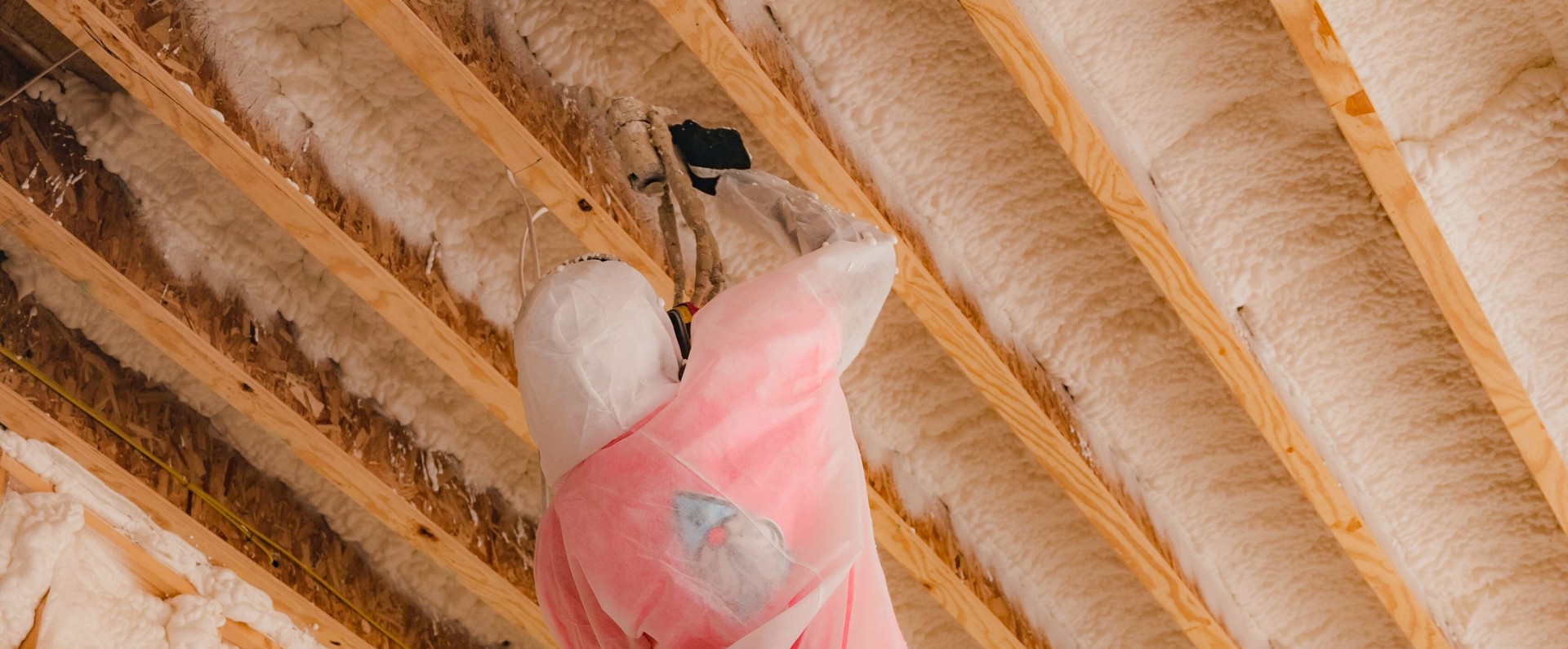
We design barn insulation solutions that respond to these local conditions. For example, closed cell spray foam under a metal roof can help limit condensation and air leaks while adding rigidity to the assembly. In framed sections, properly installed batt or blown-in insulation can slow heat transfer so heaters and fans work more efficiently. When we recommend options, we always consider how West Jordan weather interacts with your specific barn layout.
Our team is familiar with the types of barns and outbuildings common in this part of Utah, including metal pole barns, wood-framed structures, and mixed-use shops. This experience helps us plan around unique features like sliding doors, open bays, and partial lofts so the final result fits your daily routine.
Insulation Options For Your Barn
Different parts of a barn call for different insulation strategies. We take time to explain your options so you understand how each material behaves inside a working building. In many barns, a combination of spray foam, batt insulation, and blown-in products creates a practical balance of performance and cost.
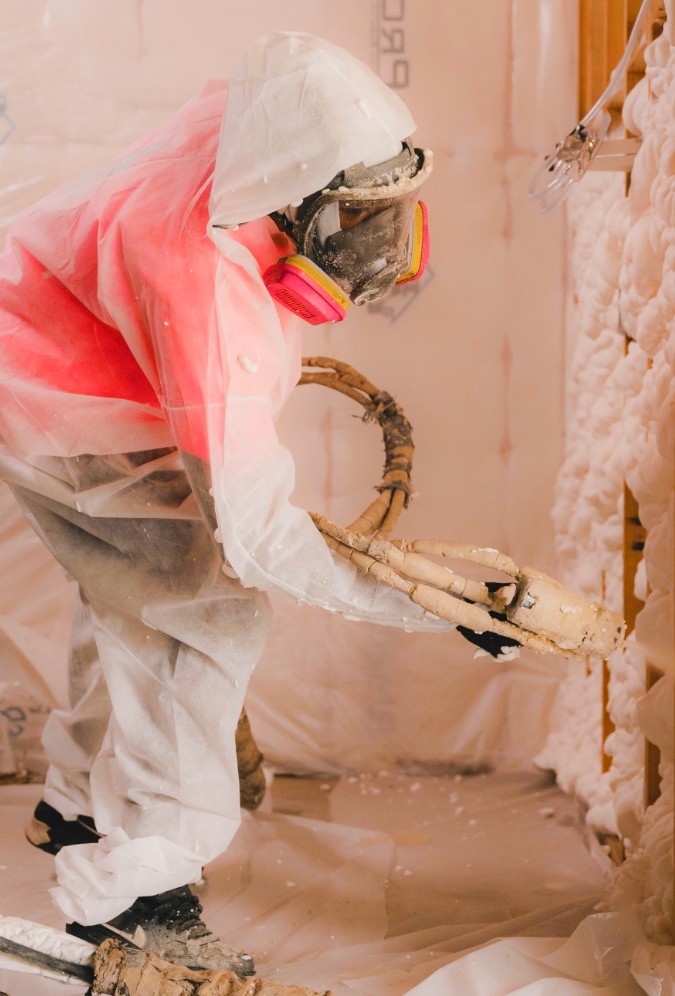
Spray foam is often a strong choice for metal roofs and hard-to-reach areas. It adheres directly to the surface and can provide both insulation and air sealing in a single step. This can be helpful where condensation has been a problem or where there is little room for traditional insulation. Foam can also work in wall cavities when framed correctly.
Batt insulation, often fiberglass, can perform well in standard stud walls or ceilings when it is installed with care. We pay attention to fit, contact with surfaces, and avoiding gaps that let air flow around the batts. Blown-in insulation can be useful in ceiling cavities or loft floors where we can create an even layer without tearing out large sections of structure.
In many barns, air sealing is just as important as the insulation itself. Gaps around doors, eaves, and penetrations can let conditioned air escape and allow dust or pests inside. We often pair insulation upgrades with targeted air sealing to help your heating or cooling equipment work more effectively.
Common barn areas we often improve include:
- Roof decks under metal panels where condensation or heat build up is a problem
- Exterior walls around stalls, tack rooms, or workshops that feel drafty
- Loft or attic floors where heat collects in summer or escapes in winter
- Utility rooms or feed storage that need more stable temperatures
Our Barn Insulation Process
Having workers in your barn can feel disruptive, so we structure our process to be clear and predictable. When you contact us, we start with a conversation about how you use the building and what problems you are seeing, such as cold spots, sweating roofs, or high energy bills. From there, we schedule a time to visit the property and walk the space with you.
During the on site assessment, we look at construction type, current insulation, signs of moisture, and access for equipment. We may take measurements and note areas that need extra care, such as stalls with animals, sensitive equipment, or feed storage. After the visit, we prepare recommendations that outline suitable insulation options, along with the pros, cons, and general cost ranges for each approach.
Once you choose a path forward, we plan installation around your schedule as much as possible. On the day of work, our crew arrives with the necessary equipment and goes over the plan again before starting. We set up protection where needed and follow safety protocols for ventilation, material handling, and site clean up.
Our typical barn insulation process includes:
- Initial call to discuss your barn and goals
- On site assessment of the structure and existing insulation
- Written recommendations with clear options and explanations
- Scheduled installation with attention to safety and protection
- Clean up and a final walkthrough to review the completed work
Throughout the process, our goal is to keep communication straightforward. We answer questions in plain language and adjust plans as needed to respect how you use your barn. At the end, we walk the space with you so you can see what was done and understand how the insulation will help.
Frequently Asked Questions
How long will barn insulation installation take?
Most barn insulation projects take from part of a day to several days, depending on size, access, and the materials you choose. During our assessment, we provide a realistic time frame. We work to organize the schedule so that disruption to your daily barn routine is limited.
Do I need to move animals or equipment out?
In many cases, we ask that animals and valuable equipment be moved away from active work areas. This helps with safety and cleanliness. During the assessment, we review your layout and discuss what should be relocated and what we can protect in place during installation.
Is spray foam safe to use inside my barn?
Spray foam is designed for building use and can be a good option when it is installed correctly. We follow material guidelines and safety protocols, including ventilation and curing time. We explain what to expect on installation day so you can plan around any temporary access limits to treated areas.
Can you improve insulation in an old barn?
Yes, we often work on older barns by assessing existing insulation, removing damaged material when appropriate, and adding new products. We look closely at structure and ventilation before recommending changes. Our retrofit and air sealing services are designed to respect the character of older buildings while improving performance.
What kind of energy savings can I expect?
Many barn owners notice that heaters or fans run less often after insulation upgrades, although exact savings depend on building size, use, and energy prices. We avoid promising specific numbers. Instead, we discuss how particular upgrades can reduce heat loss, drafts, and temperature swings in your barn.
Schedule Your Barn Assessment
If you are tired of working in a barn that is too hot, too cold, or always damp, we are ready to help. Proper insulation can make your building more comfortable, protect animals and equipment, and help you use energy more wisely throughout the year in West Jordan.
When you contact iFOAM of Draper, you connect with a friendly team that focuses on clear explanations and careful work. We start with a simple conversation, follow with a thorough assessment, and then handle installation with trained crews who respect your property. There is no obligation to move forward until you feel comfortable with the plan.
We serve barn owners in this area with tailored insulation solutions that fit how each building is used. If you would like to talk through options for your barn, we invite you to reach out and schedule a visit with our team.
Call (801) 980-9639 to schedule your barn insulation assessment today.
-
STEPSchedule a Free AssessmentDuring your free in-home assessment, we’ll evaluate insulation levels and provide honest recommendations for improvement. We’ll leave you with a free estimate to know just what to expect, and we’ll answer all your questions.
-
STEPLet Our Team InstallThanks to our simple and easy installation process, your new insulation system will be installed before you know it! They’ll make sure to get the work done efficiently, accurately, and with minimal disruption to your daily routine.
-
STEPEnsure QualityWith the help of advanced testing techniques and proprietary technology, our team can accurately measure and diagnose insulation performance in any home, ensuring your new installation is working at its best and you’re free of other issues.
-
STEPCleanupBefore we leave, we’ll make sure to clean up any mess created during the installation process. We take pride in leaving our customers’ homes as clean as we found them.
-
STEPFinal InspectionTo finish off our service, we’ll conduct a final inspection to ensure your satisfaction with the installation process and the results. We want to make sure you’re getting the most out of your investment and feeling comfortable in your newly insulated space.

-
How Do I Know If My Home Needs New Insulation?
Here are several signs that your home may need new insulation:
- Frozen Pipes
- Uneaven Temperatures Throughout Your Home
- Cold Floors
- High Energy Bills
- Drafts Around Windows and Doors
- Ice dams
Finally, consider the age of your insulation:
- Batt/Fiberglass. Fiberglass insulation should last roughly 7-10 years.
- Cellulose. Blown-in cellulose should last roughly 10-15 years.
- Spray Foam. Spray foam should last 80-100 years, or the age of the house (as long as it was installed properly).
Our experts can provide an accurate assessment of the state of your home’s insulation. We'll consider your energy efficiency with state-of-the-art technology and years of industry know-how.
Give us a call to book your free consultation!
-
Why Use Spray Foam?
Spray foam has been rated to have the highest efficiency and R-value when compared to other insulation (like batt fiberglass).
Furthermore, spray foam's intuitive design allows it to create an airtight seal even in tricky and problematic spaces. It has been proven to keep out air pollutants and help soundproof buildings.
Visit our blog to learn about spray foam's benefits and why its a great choice for your home.
-
How Much Will My Installation Cost?
Prices vary from project to project. For an accurate assessment tailor-made to your home's needs, give our team a call today! You can also discover additional insights on why spray foam is worth the cost by visiting our blog.



Explore Our Family Of Brands