Spray Foam Insulation in Sandy
Insulation & Air Sealing for Difficult Building Areas
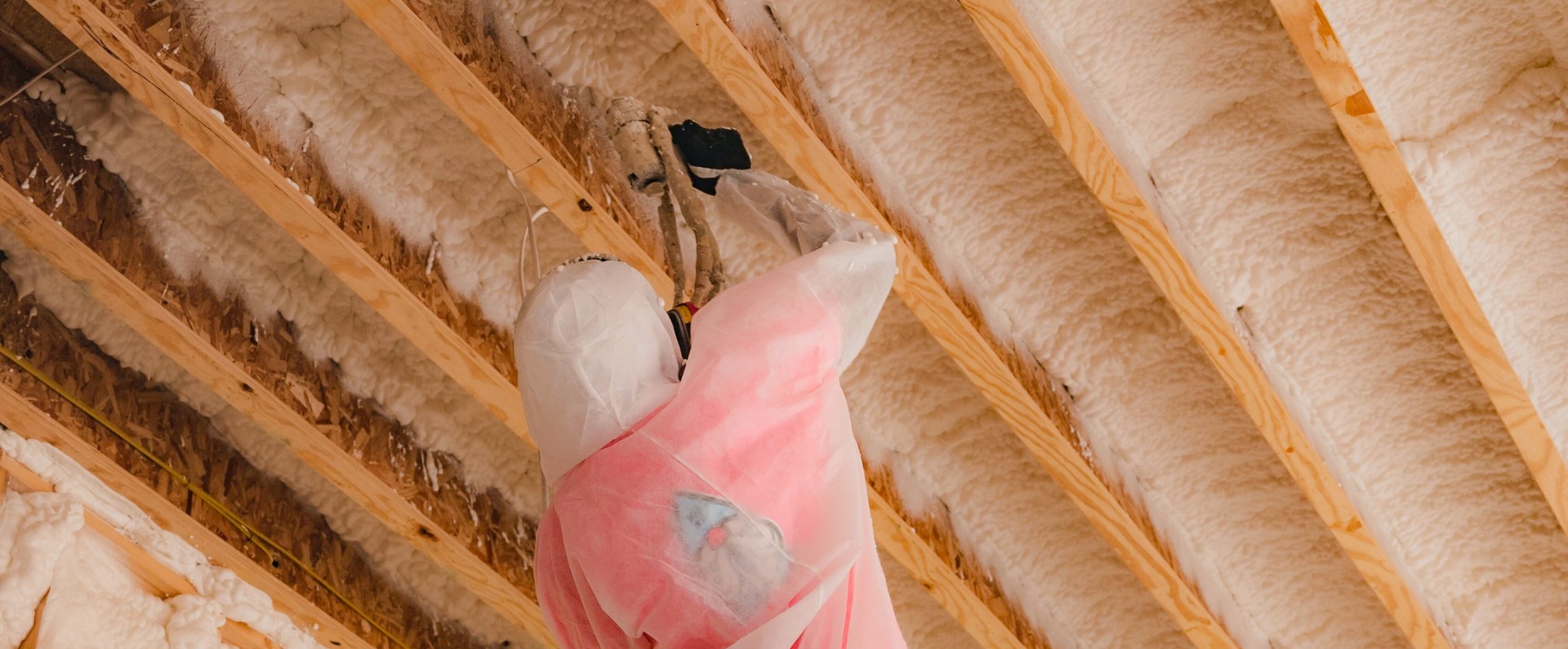
Drafts, uneven temperatures, and gaps around irregular framing can point to weaknesses in the building envelope. At iFOAM of Draper, we provide residential and commercial spray foam insulation services in Sandy. Spray foam expands during application, allowing it to insulate and seal gaps in attics, walls, crawl spaces, rooflines, and other difficult-to-reach areas.
The right solution depends on more than the size of the property. We assess the building assembly, access, existing insulation, ventilation, and moisture exposure before recommending a material or application area. This approach helps determine whether the project calls for spray foam, targeted air sealing, insulation removal, another insulation material, or a combination of services.
Want to find out whether spray foam fits your home or business? Reach out online or give us a call at (801) 980-9639 for a free consultation.
Assessments, Trained Installers & Clear Project Planning
Our installers are trained in the iFOAM way and use professional spray foam equipment and industry-leading techniques while following stringent safety protocols. We explain the proposed work, keep you informed as the project progresses, and maintain a clean work area.
Our service approach includes:
- Personalized assessments: We consider the structure, existing materials, access, and your comfort goals before developing recommendations.
- Multiple insulation options: We provide spray foam, batt, and blown-in insulation as well as air sealing, insulation removal, and retrofit services.
- Professional installation: Our trained installers use purpose-built equipment and established application techniques.
- Clear communication: We discuss project options, preparation, timing, and access requirements before installation begins.
- Final review: We inspect the completed work, answer your questions, and walk through the treated areas with you.
Open-Cell & Closed-Cell Spray Foam Solutions
We install both open-cell and closed-cell spray foam, but the two products aren’t interchangeable. They differ in density, expansion, moisture-vapor resistance, and suitability for particular assemblies. Our assessment identifies which option fits the location and project requirements.
Open-Cell Spray Foam
Open-cell spray foam is lighter and expands substantially during application. Its expansion can make it suitable for filling irregular cavities in certain interior walls, attics, and roof assemblies. We evaluate ventilation, vapor-control requirements, and the design of the assembly before recommending it.
Closed-Cell Spray Foam
Closed-cell spray foam is denser and more rigid. It offers different moisture-vapor resistance and application characteristics, which may suit certain rim areas, crawl spaces, walls, or roof assemblies. Material choice and thickness must match the specific assembly rather than a general product preference.
Spray foam may be considered for new construction, renovations, additions, garages, exposed framing, and hard-to-reach cavities. We also provide commercial applications for offices, warehouses, retail properties, and other business spaces. The scope can address one problem area or form part of a broader insulation upgrade.
Attics, Rooflines & Walls
Attics and rooflines often contain penetrations, transitions, and irregular framing that require careful air-sealing and insulation planning. Walls may be accessible during new construction or a remodel, while finished assemblies can limit installation options. We inspect access and the existing assembly before proposing where spray foam can be applied.
Crawl Spaces & Rim Areas
Crawl spaces and rim areas can contain joints, utility penetrations, and connections between building components. We evaluate moisture exposure, ventilation, and existing insulation before recommending crawl space insulation or treatment around a rim joist. The project plan identifies the areas to be prepared and insulated.
Retrofits, Removal & Air Sealing
Existing insulation may need to be evaluated before new spray foam is installed. If old material is damaged, contaminated, or obstructing the planned work, insulation removal may be part of the scope. We also offer retrofit and air-sealing services when the assessment shows that spray foam alone isn’t the appropriate response.
Air sealing and insulation address related but distinct parts of building-envelope performance. Insulation resists heat flow, while air sealing addresses uncontrolled air movement through gaps and penetrations. We determine whether the property needs one service or a coordinated combination.
Spray Foam Insulation for Sandy Properties
Seasonal temperature changes can expose weak points in attics, rooflines, rooms over garages, crawl spaces, and additions. Older construction and remodeled areas may also contain transitions between original and newer assemblies, leading to inconsistent insulation coverage. We assess those conditions without assuming that every section of the property requires the same material.
If you’re planning a remodel or another property improvement, we can discuss sequencing so insulation work can be coordinated with exposed framing and other scheduled work.
If you’re comparing options for a spray foam insulation company in Sandy, ask how the proposed material fits the actual assembly. A useful plan should identify where work will occur, which foam is proposed, what preparation is required, and how ventilation and re-entry will be handled.
Our Spray Foam Installation Process
What to expect during your project:
- Free consultation: We discuss the comfort concerns, property goals, and areas you’re considering for insulation.
- Property assessment: We review accessible building areas, existing insulation, ventilation, layout, and relevant project conditions.
- Custom plan: We explain the recommended material, treatment areas, preparation requirements, and proposed sequence of work.
- Professional installation: Our team prepares the work area and applies the selected spray foam using professional equipment and safety procedures.
- Cleanup and final walkthrough: We review the completed work, answer remaining questions, and discuss applicable post-installation expectations.
Before installation day, we review timing, access, and any preparation steps so you know what will happen. Spray foam projects may require controlled ventilation and a defined re-entry period after application. We discuss those requirements based on the product, treated area, and project conditions rather than applying one timeline to every property.
Project duration depends on the size and number of areas being treated, accessibility, existing materials, building size, and installation complexity. A straightforward accessible area may require less time than a project involving a complex roofline, multiple building sections, or commercial operations. We provide an estimated schedule after evaluating the proposed scope.
Utah Code & Spray Foam Project Requirements
Insulation requirements can vary according to building type, assembly, location within the building envelope, and whether the work involves new construction or an alteration. Utah construction and energy-code provisions may affect air-impermeable insulation, roof assemblies, thermal barriers, vapor control, energy performance, and inspection requirements.
We consider the building layout, previous upgrades, ventilation, and applicable project requirements when developing recommendations. The final material, thickness, and assembly design shouldn’t be selected from a general spray foam description alone. They need to align with the property, the planned application, and requirements that apply to the project jurisdiction.
For renovation and new-construction work, project planning may also involve coordination with other trades and inspection stages. We discuss the installation scope and documentation needs before work begins so the spray foam portion can be sequenced appropriately.
Frequently Asked Questions
How Long Does Spray Foam Insulation Installation Take?
The timeline varies with the number of areas being insulated, accessibility, existing materials, roofline complexity, and building size. Larger homes and commercial buildings may require additional time. During your consultation, we outline an estimated schedule and explain when ventilation, curing, and re-entry requirements apply.
Can Spray Foam Be Installed in an Existing Home?
Yes, spray foam can be added to many existing homes when the intended area is accessible and the assembly is suitable. Common evaluation areas include attics, crawl spaces, rim areas, and exposed framing during a remodel. We assess existing insulation and access before determining whether removal, preparation, or coordination with other work is required.
How Do I Know If Spray Foam Is Right for My Property?
An assessment is the best way to determine whether spray foam fits your structure and budget. We review drafts, uneven temperatures, difficult-to-seal areas, existing insulation, and the intended application. We then explain whether open-cell spray foam, closed-cell spray foam, another insulation type, or a combination of materials makes sense for the project.
Plan Your Sandy Spray Foam Project
We evaluate spray foam alongside air sealing, insulation removal, retrofit work, and other insulation options to develop a recommendation for your property.
Get a property-specific recommendation before choosing an insulation material. Call (801) 980-9639 or reach out online to book your free spray foam consultation today.
-
STEPSchedule a Free AssessmentDuring your free in-home assessment, we’ll evaluate insulation levels and provide honest recommendations for improvement. We’ll leave you with a free estimate to know just what to expect, and we’ll answer all your questions.
-
STEPLet Our Team InstallThanks to our simple and easy installation process, your new insulation system will be installed before you know it! They’ll make sure to get the work done efficiently, accurately, and with minimal disruption to your daily routine.
-
STEPEnsure QualityWith the help of advanced testing techniques and proprietary technology, our team can accurately measure and diagnose insulation performance in any home, ensuring your new installation is working at its best and you’re free of other issues.
-
STEPCleanupBefore we leave, we’ll make sure to clean up any mess created during the installation process. We take pride in leaving our customers’ homes as clean as we found them.
-
STEPFinal InspectionTo finish off our service, we’ll conduct a final inspection to ensure your satisfaction with the installation process and the results. We want to make sure you’re getting the most out of your investment and feeling comfortable in your newly insulated space.


-
How Do I Know If My Home Needs New Insulation?
Here are several signs that your home may need new insulation:
- Frozen Pipes
- Uneaven Temperatures Throughout Your Home
- Cold Floors
- High Energy Bills
- Drafts Around Windows and Doors
- Ice dams
Finally, consider the age of your insulation:
- Batt/Fiberglass. Fiberglass insulation should last roughly 7-10 years.
- Cellulose. Blown-in cellulose should last roughly 10-15 years.
- Spray Foam. Spray foam should last 80-100 years, or the age of the house (as long as it was installed properly).
Our experts can provide an accurate assessment of the state of your home’s insulation. We'll consider your energy efficiency with state-of-the-art technology and years of industry know-how.
Give us a call to book your free consultation!
-
Why Use Spray Foam?
Spray foam has been rated to have the highest efficiency and R-value when compared to other insulation (like batt fiberglass).
Furthermore, spray foam's intuitive design allows it to create an airtight seal even in tricky and problematic spaces. It has been proven to keep out air pollutants and help soundproof buildings.
Visit our blog to learn about spray foam's benefits and why its a great choice for your home.
-
How Much Will My Installation Cost?
Prices vary from project to project. For an accurate assessment tailor-made to your home's needs, give our team a call today! You can also discover additional insights on why spray foam is worth the cost by visiting our blog.



Explore Our Family Of Brands